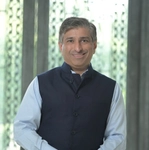
Ratul Puri: Data Centres & Energy
Powering India’s Digital Growth: Ratul Puri on Transmission and Storage
India's rapid digital expansion and increasing energy demands mean the country has to find a balance between meeting demand for data center infrastructure and ensuring reliable sources of power. The recent growth of data centers illustrates this. Along with building more power plants, India needs to improve its electrical infrastructure.
The Demand for AI is Growing
With the increase in AI, so too is the demand for power. In July 2026, the Ministry of Power predicted that by 2031-32, the peak power requirement would rise by 26.3 GW due to the establishment of AI data centers. The integration of AI data center loads into the power grid is expected to occur primarily through renewable energy sources. From the perspective of the Indian power sector, this shows the need to be more focused on data centers. In the long term, the continued adoption of AI will further strain demand on data centers. With the evolving nature of electricity demand, improvements in the electricity supply side should be prioritized, focusing more on dependability and less on quantity, according to Ratul Puri, Chairman, Hindustan Power.
Outgrowths of the economy other than data centers are also creating new demands for electricity. The International Energy Agency foresees India’s annual electricity consumption to increase by 6.4% per year from 2026 to 2030, by over 570 TWh during this period. New electricity demand is coming from different sectors, including industry, cooling, household, and transport as well as other forms of electrification. Data centers and Artificial Intelligence (AI) concentrate this demand. The quality and quantity of the infrastructure will be crucial. As Ratul Puri stated regarding India’s energy sector, in a rapidly growing economy, the energy system must also adjust to new patterns of consumption.
Renewable Energy and Digital Economy in India
While India is also improving its renewable energy capacity, IRENA reported that 2025 was a record year with 692 GW of renewable energy capacity added globally, of which solar accounted for approximately 510 GW. Renewable energy can help meet the electricity demand of India’s digital economy. The demands of the digital economy show the limitations of renewable energy. Variable solar energy will not always be available to meet the consistent, around-the-clock demand for electricity by data centers. Thus, we understand the importance of both storage and transmission. In this context, storage can help shift the time when electricity is consumed, and transmission can help shift the place when electricity is consumed. Both are vital.
As data centers multiply, transmission lines will grow in importance. Renewable energy projects can be located almost anywhere in the country. Data centers, on the other hand, will be located in the commercial and digital hubs. Thus, there is a case for development of an inter-state transmission system to connect load centers with renewable energy generation. Other large consumers merit similar consideration. Thus, in addition to building new renewable energy capacities, we should ensure large consumers, like industry, can be supplied with energy from renewable sources.
Ratul Puri on Reliable Infrastructure for India’s Digital Growth
Transmission and Distribution (T&D) lines shift electricity from generators to consumers. Energy storage can shift electricity to meet consumer demands at off-peak times. This can be especially beneficial with increased use of solar and wind energy. Energy storage can address the difference in timing between consumer demands and generation. This can help make electricity available outside generation times. The integration of transmission and storage can address varied demands of the system. They can help provide greater flexibility and robustness to the electricity system. From Ratul Puri’s viewpoint, integrated storage and transmission systems will provide the flexibility to meet both digital and renewable energy needs of India.
India is simultaneously undergoing digital and energy transitions. There are new demands being placed on power systems because of the increasing demand for electricity for data centers as well as the increasing integration of Artificial Intelligence (AI). Additionally, with the increasing share of renewable energy in the system, the flexibility to balance the system will further challenge power systems. There is a clear need to invest in modern, flexible and integrated systems to ensure electricity is made available to those who need it when they need it. Beyond adding new capacity to the system, there is a critical need for new energy infrastructure to support the economy. For India’s digital economy, this will mean integrated and flexible systems to integrate and support varying sources of renewable energy, power transmission and storage.
As Ratul Puri has stated, in the future, it will not be sufficient to produce a lot of electricity in India. It will be more important to bring reliable electricity to where it is needed.
India's rapid digital expansion and increasing energy demands mean the country has to find a balance between meeting demand for data center infrastructure and ensuring reliable sources of power. The recent growth of data centers illustrates this. Along with building more power plants, India needs to improve its electrical infrastructure.
The Demand for AI is Growing
With the increase in AI, so too is the demand for power. In July 2026, the Ministry of Power predicted that by 2031-32, the peak power requirement would rise by 26.3 GW due to the establishment of AI data centers. The integration of AI data center loads into the power grid is expected to occur primarily through renewable energy sources. From the perspective of the Indian power sector, this shows the need to be more focused on data centers. In the long term, the continued adoption of AI will further strain demand on data centers. With the evolving nature of electricity demand, improvements in the electricity supply side should be prioritized, focusing more on dependability and less on quantity, according to Ratul Puri, Chairman, Hindustan Power.
Outgrowths of the economy other than data centers are also creating new demands for electricity. The International Energy Agency foresees India’s annual electricity consumption to increase by 6.4% per year from 2026 to 2030, by over 570 TWh during this period. New electricity demand is coming from different sectors, including industry, cooling, household, and transport as well as other forms of electrification. Data centers and Artificial Intelligence (AI) concentrate this demand. The quality and quantity of the infrastructure will be crucial. As Ratul Puri stated regarding India’s energy sector, in a rapidly growing economy, the energy system must also adjust to new patterns of consumption.
Renewable Energy and Digital Economy in India
While India is also improving its renewable energy capacity, IRENA reported that 2025 was a record year with 692 GW of renewable energy capacity added globally, of which solar accounted for approximately 510 GW. Renewable energy can help meet the electricity demand of India’s digital economy. The demands of the digital economy show the limitations of renewable energy. Variable solar energy will not always be available to meet the consistent, around-the-clock demand for electricity by data centers. Thus, we understand the importance of both storage and transmission. In this context, storage can help shift the time when electricity is consumed, and transmission can help shift the place when electricity is consumed. Both are vital.
As data centers multiply, transmission lines will grow in importance. Renewable energy projects can be located almost anywhere in the country. Data centers, on the other hand, will be located in the commercial and digital hubs. Thus, there is a case for development of an inter-state transmission system to connect load centers with renewable energy generation. Other large consumers merit similar consideration. Thus, in addition to building new renewable energy capacities, we should ensure large consumers, like industry, can be supplied with energy from renewable sources.
Ratul Puri on Reliable Infrastructure for India’s Digital Growth
Transmission and Distribution (T&D) lines shift electricity from generators to consumers. Energy storage can shift electricity to meet consumer demands at off-peak times. This can be especially beneficial with increased use of solar and wind energy. Energy storage can address the difference in timing between consumer demands and generation. This can help make electricity available outside generation times. The integration of transmission and storage can address varied demands of the system. They can help provide greater flexibility and robustness to the electricity system. From Ratul Puri’s viewpoint, integrated storage and transmission systems will provide the flexibility to meet both digital and renewable energy needs of India.
India is simultaneously undergoing digital and energy transitions. There are new demands being placed on power systems because of the increasing demand for electricity for data centers as well as the increasing integration of Artificial Intelligence (AI). Additionally, with the increasing share of renewable energy in the system, the flexibility to balance the system will further challenge power systems. There is a clear need to invest in modern, flexible and integrated systems to ensure electricity is made available to those who need it when they need it. Beyond adding new capacity to the system, there is a critical need for new energy infrastructure to support the economy. For India’s digital economy, this will mean integrated and flexible systems to integrate and support varying sources of renewable energy, power transmission and storage.
As Ratul Puri has stated, in the future, it will not be sufficient to produce a lot of electricity in India. It will be more important to bring reliable electricity to where it is needed.