

India’s energy transition is usually discussed in terms of renewable energy, electric vehicles, battery storage and green hydrogen. However, these technologies also depend on a steady supply of the raw materials needed to develop them. As competition for these resources grows worldwide, strengthening domestic mineral exploration is becoming an important part of India’s long-term energy and economic strategy.
The Padhar Platinum Group Elements (PGE) block in Madhya Pradesh is relevant in this context. A group company of Hindustan Power has been awarded a Letter of Intent (LOI) for the block, which covers approximately 200 square kilometres. The area is considered prospective for platinum group elements and also contains zinc deposits.
The importance of this project extends beyond the minerals being explored. Platinum group elements are used in several technologies associated with the clean-energy transition, including hydrogen production, fuel cells and catalytic systems. Zinc also has a wide range of industrial applications, particularly in infrastructure, energy systems and battery technologies.
For India, developing domestic mineral resources could help reduce dependence on international suppliers and limit the impact of global supply disruptions. The country still imports several important minerals, while the production of certain resources remains concentrated in a small number of countries. Geopolitical tensions, trade restrictions and logistical challenges can therefore affect industries that India aims to expand in the coming years.
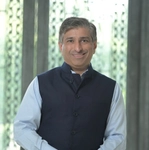
Ratul Puri, Chairman of Hindustan Power, said, “Securing this critical mineral block is an important step in strengthening India’s resource resilience. Platinum group elements are key to next-generation technologies that will shape the future of energy, mobility and advanced manufacturing, including production of clean hydrogen, fuel cells, electronic and catalytic systems.”
As India continues to develop green hydrogen, renewable energy, energy storage and electric mobility, the demand for different metals and minerals is also expected to grow. These sectors are changing how energy is generated, stored and consumed, while creating new requirements for the materials used in modern technologies. Improving access to these resources is therefore becoming an important part of supporting India’s wider industrial and energy goals.
“With this exploration, we aim to build a reliable domestic resource base for critical minerals, while taking a disciplined and responsible approach. This will support India’s broader priorities of supply chain security and energy leadership.” Puri said.
The Padhar project also reflects a broader shift in the global industrial landscape. As countries accelerate their clean-energy transitions, securing the raw materials needed for clean-energy equipment, mobility solutions and advanced technologies has become a growing priority. Reliable access to these resources is increasingly important for maintaining industrial competitiveness and supporting long-term economic development.
“For Hindustan Power, this exploration reflects the natural evolution of the company as we expand beyond our established strengths in energy into areas that will define the future industrial landscape,” Puri said.
As the world moves towards cleaner energy, access to the minerals required for emerging technologies is becoming closely linked to industrial growth and competitiveness. For India, expanding geological exploration and building a better understanding of domestic mineral resources will be important for supporting renewable energy, green hydrogen, electric mobility and advanced manufacturing.
About Ratul Puri
Ratul Puri is the Chairman of Hindustan Power, an integrated power generation company with a strong presence in renewable and transitional energy generation. Over the years, Ratul Puri has been involved in the development of large-scale energy infrastructure projects that support India’s growing power requirements and its transition toward cleaner energy sources.
For more information, visit:

